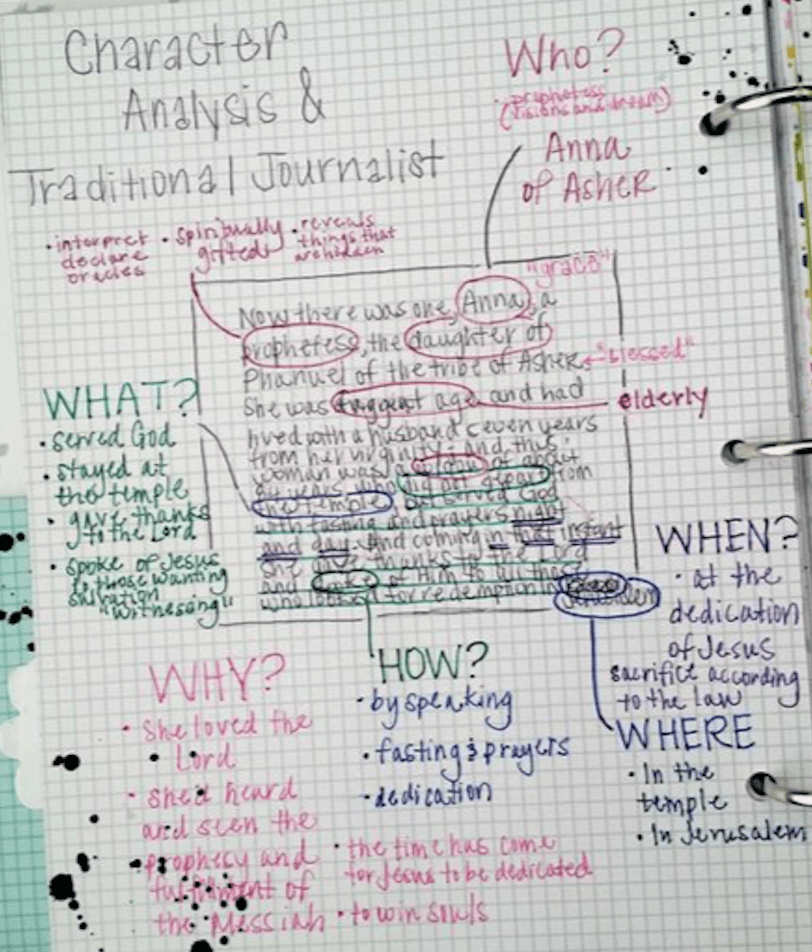
Psalms 68:5-6—-
This week we’re going to do something a bit different. It’s called Verse Mapping.
I discovered this some months ago and totally love it because it forces a person to slow way down and unpacking one verse until it breathes.
I’m sharing a simple, deep-study way to do it without making it feel cumbersome, academic or stiff.
I will lay the foundational part here with the verse we are going to study this week and then invite you to join me in breaking down the verse. Each day for the next week, on ‘The Gathering Place’ I will have a post that relates to what the verse says in a question or comment.
I don’t recommend doing it all at once…a little at a time. (More on this near the end of the ‘how-to’.) This LOOKS a lot longer than it really is!
My daily thoughts relative to the question will be on the ‘Encouragement Page’ here on the WebSite.
This month’s Verse is: Psalm 68:5-6
What Verse Mapping Is –in simple language—
It’s taking one verse –or a short passage— and asking:
- What does it actually say?
- What did it mean then?
- What does it mean for me now?
You’re tracing the verse from context → meaning → heart application.
This is the how-to, which I got from the internet:
Do as many steps as you are comfortable with. Please, at least read though it and do several. It’s an amazing exercise. But do NOT feel like this needs to be done in a single sitting. It usually takes me several days to complete it and the daily posts will only be on a single section at a time on ‘The Gathering Place’ facebook page.
Step-by-Step Verse Mapping
1. Write the Verse Out (by hand if possible ✍️)
Write it exactly as it appears in your Bible translation.
👉 Writing slows your soul down. It matters.
2. Circle or Highlight Key Words
Look for:
- Repeated words
- Action verbs
- Promises
- Commands
- Words that stir emotion or raise questions
Example words you might circle:
therefore, if, but, all, abide, remain, peace, fear, trust, give, wait
Ask yourself:
- Why that word?
- What would change if it wasn’t there?
3. Look Up Definitions (Original Meaning)
This is where depth happens—but gently. - For 1–3 key words:
- Look up Greek or Hebrew meanings (Blue Letter Bible on line is great)
- Note:
- Root word
- Multiple meanings
- Tone (command, invitation, promise?)
You’re not becoming a scholar—you’re becoming a listener.
4. Check the Context (Zoom Out 🔍)
Ask:
- Who is speaking?
- Who is being spoken to?
- What’s happening before and after this verse?
- Is this instruction, poetry, comfort, correction, or warning?
5. Cross-Reference Scripture
Let Scripture explain Scripture.
Ask:
- Where else does the Bible talk about this same idea?
- Do other verses clarify, balance, or deepen it?
Example:
- If the verse mentions peace, search other verses on peace.
- If it mentions waiting, see how waiting shows up elsewhere.
6. Write the Verse in Your Own Words
This is HUGE.
Rewrite it as if:
- You were explaining it to a friend
- You were journaling it to God
- You were teaching a small group
Not to replace Scripture—
but to process it.
7. Personal Reflection (The Heart Work ❤️)
This is where verse mapping becomes transformational.
Ask:
- What does this reveal about God?
- What does this reveal about me?
- Is there:
- a promise to trust?
- a truth to believe?
- a behavior to change?
- a comfort to receive?
Be honest here. God already knows—and you need not share it with anyone else.
8. Prayer Response
End by praying the verse back to God.
Example:
“Lord, You say You are near to the brokenhearted. Help me believe that—not just know it.”
This seals the study into worship.
What Verse Mapping Looks Like on Paper
It doesn’t have to be pretty.
Many people:
- Put the verse in the center
- Draw arrows out to:
- definitions
- cross references
- observations
- prayers
Messy is fine. Engaged is the goal.
**************************************
I admit my first copy looks live a very deep mess–worse than the pic I shared at the top!
I usually begin with a just a plain piece of paper with the verse in the center, but leave space to write in between the lines (for different words in different versions), other notes! And then fill in the spaces around the words for the other steps. I usually have to turn it over to write my prayer and to write the verse in my own words.
Once I’m finished, I like to rewrite it in a more ‘natural’ way, so it’s easier to read!
But I’ve been so moved by doing these and wanted to share. It does make a difference!
It’s best to do one or two steps and stop; come back to it and do another step or two. What’s impressive is how the scripture will ‘speak’ to you as you dig in. I hope you’ll join me.
 Surviving Together In Loss And Love
Leave a comment